Amora: A Colorful Heaven for Bold Typography
If you've spent any time scrolling through design portfolios or modern branding trends lately, you've likely noticed a shift. We are moving away from static, flat text and embracing dynamic, multi-dimensional letterforms. Enter Amora, a typeface that doesn't just sit on the page—it performs. This isn't your standard serif or sans serif font; it is a premium display font engineered to inject life into any visual composition.
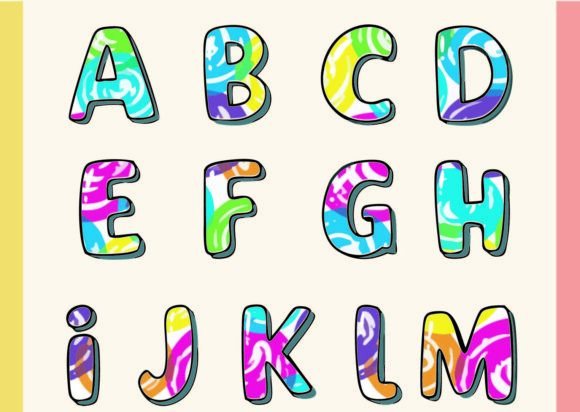
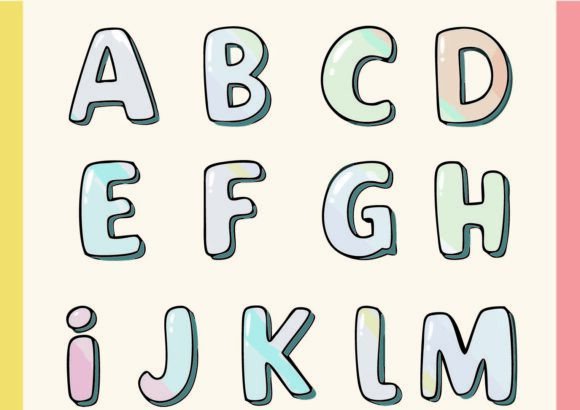
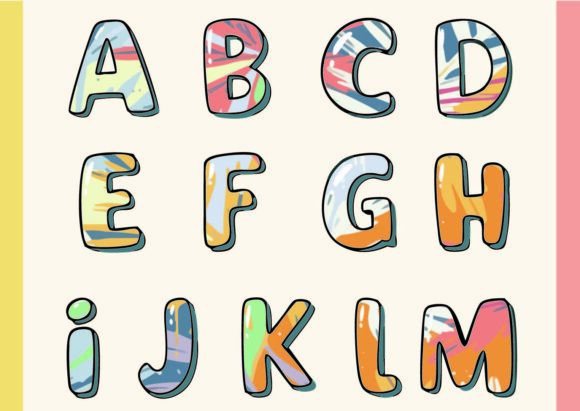
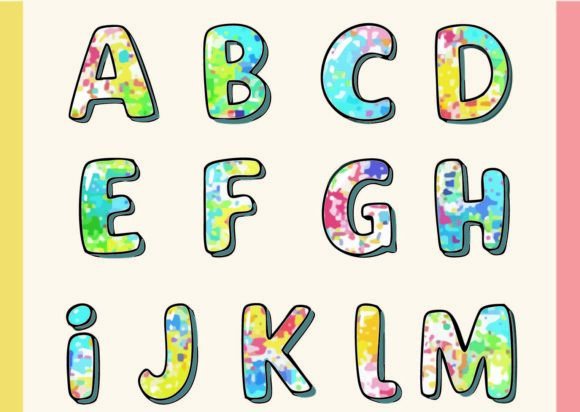
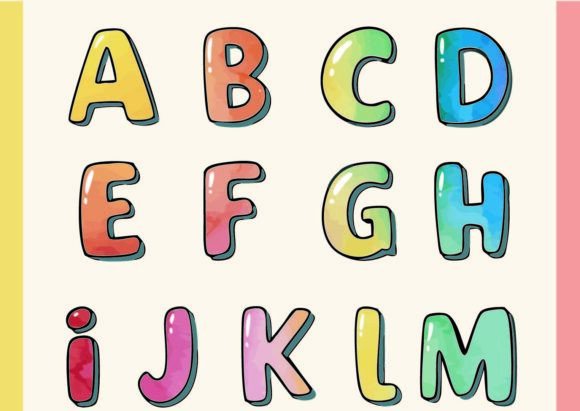
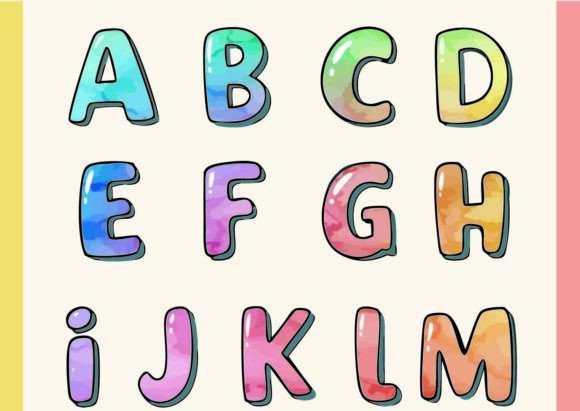
At first glance, the most striking feature of Amora is its chromatic brilliance. Every single glyph possesses a different, intricate set of colors. It is, quite literally, a colorful heaven for designers who feel constrained by monochromatic palettes. But this isn't just about slapping a rainbow onto letters. If you look closely at the glyphs, you’ll see complex sets of paths and connections in every single one of them. The depth is astounding. Each glyph functions as a typographic painting, offering a level of detail that usually requires hours of manual vector work in Illustrator.
The Technical Edge: Understanding Opentype-SVG Color Fonts
It is important to understand what makes Amora function under the hood. This product is a color font, specifically utilizing the Opentype-SVG format. For the uninitiated, this means the font file contains high-quality vector data that supports gradients, transparency, and multiple colors within a single glyph. It is a massive leap forward in modern typography.
However, technology requires compatibility. Because Amora relies on this advanced rendering, it works seamlessly with software that supports the SVG standard. You will find it functions perfectly in Photoshop, Illustrator, Silhouette, and Inkscape. Whether you are working with the OTF and/or TTF files, you can rest assured that the visual integrity remains intact as long as your environment supports it. This makes it a reliable design asset for professionals who need consistency across different creative suites.
Where Amora Shines: Practical Applications for Creatives
As a creative font, Amora has a specific personality that demands attention. It is expressive, artistic, and unapologetically detailed. Because of this, it is rarely the right choice for body text or long-form reading. Instead, think of Amora as your secret weapon for impact. It is a quintessential display font, designed to be used large and proud.
Here are a few scenarios where Amora can elevate your work:
- Logo Design and Brand Identity: If you are building a brand for a cosmetics line, a boutique creative agency, or a lifestyle blogger, Amora offers an instant brand identity. The intricate color details suggest a brand that is bold, confident, and unafraid of complexity.
- Packaging Design: On a shelf, packaging needs to scream for attention. Using Amora for product titles on boxes or labels—especially for artisanal goods or beauty products—can create a high-end, luxurious feel.
- Social Media Graphics: In the fast-scrolling world of Instagram or TikTok, you have milliseconds to catch an eye. A header written in Amora breaks the pattern of standard text, increasing engagement and stopping the scroll.
- Editorial Design: While it shouldn't be used for the body copy of a magazine, it is perfect for pull quotes, drop caps, or feature article headlines in editorial design.
Mastering Visual Hierarchy and Font Pairing
One of the most common questions regarding premium fonts like Amora is how to balance them with the rest of a layout. Because Amora is so visually dense, it creates an immediate focal point. This is excellent for visual hierarchy. It naturally draws the viewer's eye to the most important message first.
However, you must be careful with font pairing. If you pair Amora with another decorative or handwritten font, the design will likely feel chaotic and unreadable. The golden rule here is contrast. To let Amora shine, pair it with a clean, neutral sans serif font or a simple geometric serif font.
For example, imagine a wedding invitation. You might use Amora for the couple's names to create that "typographic painting" effect, but use a lightweight, spaced-out sans serif for the date, time, and location details. This ensures that the design feels professional and organized, rather than cluttered. It allows the readability of the essential information to remain high while the headline provides the artistic flair.
Evaluating the Fit: Is Amora Right for Your Project?
Before you integrate Amora into your workflow, take a moment to evaluate the project's needs. Good modern typography is about context, not just aesthetics. Ask yourself: Who is the audience?
Amora works incredibly well for audiences that appreciate artistry, creativity, and modern trends—think crafters, hobbyists, and entrepreneurs in the lifestyle sector. It might be less effective for a corporate law firm or a medical institution where clinical clarity is the priority.
Furthermore, always consider the medium. Since Amora is a commercial font with rich color data, ensure your printing method supports it if you are taking it to physical products. For digital use—web design, app interfaces, or video thumbnails—it is generally more versatile, provided the file sizes are managed correctly.
Ultimately, Amora is more than just a typeface; it is a statement piece. It bridges the gap between typography and illustration. By leveraging its complex paths and vibrant colors, you can transform a standard layout into a memorable visual experience. Whether you are a designer, marketer, or content creator, having a tool like Amora in your library ensures you are always ready to add that extra spark of creativity when the project calls for it.