Bringing Whimsy to Your Work: The Magic Unicorn Font
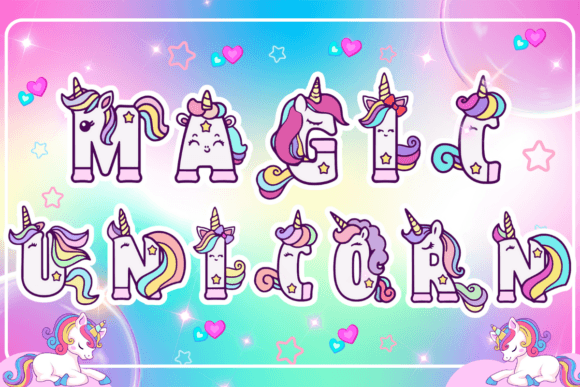
There are times in design when you need to be serious, corporate, and restrained. This is not one of those times. When a project calls for a heavy dose of charm, nostalgia, and unadulterated fun, the Magic Unicorn typeface steps in to save the day. It is a decorative display font where each character is constructed from adorable unicorn shapes, transforming standard text into a visual delight. For designers and creators, this isn't just a novelty item; it is a strategic asset for specific niches where playful engagement is the primary goal.
Visual Personality and Characteristics
At its core, Magic Unicorn is a triumph of creative font design. It falls into the category of decorative typography, meaning it prioritizes visual flair over traditional readability. The defining characteristic is how the strokes and terminals of the letters are integrated with unicorn motifs. You might see a horn replacing a serif, or a tail flowing into the curve of a "Q." This creates a cohesive visual language that is instantly recognizable.
The personality of this typeface is undeniably youthful and whimsical. It evokes a sense of childhood wonder, fantasy, and innocence. However, the execution is polished enough to function as a premium font for commercial applications. Unlike messy handwritten fonts, Magic Unicorn maintains a consistent baseline and structure, ensuring that while the shapes are playful, the word forms remain legible enough for short bursts of text like headlines and logos.
Strategic Applications: Where Fantasy Meets Function
Understanding where to deploy a font like Magic Unicorn is just as important as the font itself. Because it is a high-impact display font, it works best in environments where it can be showcased at larger sizes. It is rarely suitable for body copy in a long-form blog post, but it shines in specific scenarios across various industries.
Branding and Logo Design
For small business owners in the children’s entertainment sector, Magic Unicorn is a natural fit. It is particularly effective for:
- Children’s Party Planning: A logo using this font immediately signals that the business is about fun and celebration.
- Boutique Bakeries: For bakeries specializing in whimsical cakes and pastries, the font adds a layer of sweetness to the brand identity.
- Kids’ Fashion Lines: It conveys a playful aesthetic that appeals to both parents and children.
When used in logo design, the font acts as an illustration as much as a letterform. It requires careful kerning to ensure the unicorn shapes don’t collide awkwardly, but when spaced correctly, it creates a memorable brand mark that stands out in a crowded market.
Digital Content and Social Media
In the fast-paced world of social media graphics, stopping the scroll is the ultimate goal. Magic Unicorn excels here due to its high visual contrast. Content creators can use it for YouTube thumbnails, Instagram stories, or TikTok overlays to instantly communicate a "cute" or "fantasy" theme. It pairs exceptionally well with pastel color palettes or iridescent gradients, reinforcing the magical aesthetic.
Publishing and Editorial Design
Publishers of children’s books often rely on creative fonts to set the tone before a single word of the story is read. Magic Unicorn is an excellent choice for chapter titles, book covers, or interior headings. It helps bridge the gap between text and illustration, making the reading experience more immersive for younger audiences.
Technical Considerations and Font Pairing
Using a specialized display font effectively requires a bit of strategy, particularly regarding typography hierarchy and pairing. Because Magic Unicorn is so detailed, pairing it with a complex serif font or a busy script font would result in visual chaos. The golden rule of modern typography applies here: contrast is key.
Recommended Pairings:
- Sans Serif Fonts: A clean, geometric sans serif font works best. Fonts like Montserrat, Poppins, or Quicksand provide a neutral background that allows the unicorn shapes to take center stage without competing for attention.
- Simple Handwritten Fonts: If you want to maintain the casual vibe, a very simple, legible handwritten font can work for subheadings, provided it doesn't use the same decorative elements.
From a readability standpoint, Magic Unicorn should be treated as a headline-only typeface. It is designed to be viewed at large scales where the intricate details of the unicorn shapes can be appreciated. If reduced too small, the shapes may blend together, making the text difficult to decipher. Always test your designs at the intended viewing size to ensure legibility.
Licensing and Professional Use
For entrepreneurs and designers, the legal aspect of typography is just as important as the aesthetic. Most high-quality versions of Magic Unicorn are distributed as commercial fonts. This means you typically need to purchase a license to use the font in projects that generate revenue, such as merchandise, client logos, or physical products.
Before purchasing, review the licensing agreement carefully. Some licenses cover desktop use only, while others include "webfont" licenses necessary for embedding the typeface into a website’s CSS. If you are a crafter looking to sell physical items—like t-shirts or mugs—featuring the font, ensure your license covers "print on demand" or "merchandise" usage. Respecting these boundaries ensures your business remains compliant and supports the independent type designers who create these unique assets.
Conclusion
Magic Unicorn is more than just a novelty; it is a purposeful design tool for the right project. It solves the specific problem of needing to convey joy, fantasy, and playfulness in a visually cohesive way. By pairing it with clean sans serifs, using it for headlines rather than body text, and securing the proper commercial license, you can harness its charm to elevate your brand identity and captivate your audience. When the brief calls for magic, this font delivers.