Colored Pencil Hand Drawing Alphabet: A Font with Childlike Charm
There’s a distinct, almost nostalgic joy found in the uneven lines of a child’s drawing. It’s a visual language of pure creativity, unburdened by the rigid precision of adult design. The Colored Pencil Hand Drawing Alphabet typeface captures that exact feeling. It’s not just a set of letters; it’s a collection of hand-sketched characters that look as if they were crafted with a well-loved box of crayons on a sheet of construction paper. For designers and creators, this premium font offers an instant infusion of warmth, authenticity, and whimsy into any project.
More Than Just a Display Font: The Visual Character of Colored Pencil
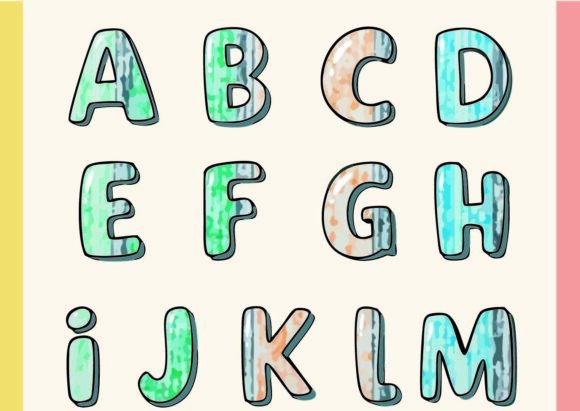
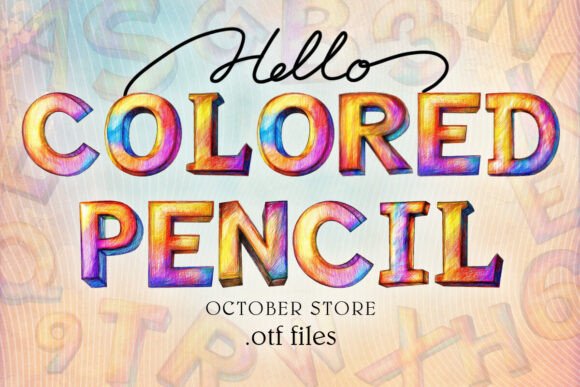
What sets this creative font apart is its deliberate imperfection. Each letterform has a slightly wobbly, organic quality. The strokes mimic the texture of a colored pencil, with visible grain and subtle variations in weight that you’d never find in a perfectly engineered sans serif font or a classic serif font. The letters don’t sit in a perfectly straight line; they dance with a youthful energy, leaning and shifting as if caught mid-thought. This personality makes it an exceptional display font, designed to be seen and to make an immediate emotional impact. It’s the typographic equivalent of a child’s vibrant coloring masterpiece—full of life, character, and unfiltered expression.
Where This Handwritten Font Truly Shines
Understanding where a font like Colored Pencil belongs is key to using it effectively. Its strength lies in projects that aim for a friendly, approachable, and playful brand identity. It’s a natural fit for educational materials, children’s book covers, and back-to-school marketing. Imagine this typeface gracing the cover of a young adult novel, the header of a teacher’s blog, or the packaging design for a line of art supplies. It immediately sets a tone of creativity and learning.
Beyond the classroom, its charm extends to a wide range of applications:
- Branding and Marketing: Perfect for businesses that want to project a down-to-earth, family-friendly image. Think local bakeries, craft stores, children’s apparel brands, or community event posters.
- Digital and Social Media: Use it for eye-catching social media graphics, YouTube thumbnails, or website headers where you want to break away from the coldness of modern typography and connect on a human level.
- Personal Projects: It’s an ideal choice for creating custom party invitations, scrapbooking elements, motivational quotes for a home office, or personalized labels for a child’s belongings.
Practical Guidance for Designers and Creators
Integrating a specialty font like Colored Pencil into your workflow requires a thoughtful approach. It’s a powerful tool, but like any strong design asset, it needs to be used with intention.
Evaluating Project Fit and Pairing
The most critical step is assessing whether this font’s personality aligns with your project’s goals. It communicates informality, creativity, and nostalgia. It would likely feel out of place on a formal corporate report or a luxury law firm’s logo. For a more balanced look, consider a strong font pairing. Pair the Colored Pencil alphabet with a clean, simple sans serif font for body text. This creates a clear visual hierarchy, allowing the playful display font to capture attention while the sans serif ensures the main content remains highly readable and professional.
Technical Considerations and Readability
A crucial detail to note is that this is a color font, specifically an OpenType-SVG font. This technology allows the letters to contain the rich, textured color information of the original hand-drawn design. It is compatible with professional design software like PhotoShop, Illustrator, and Inkscape, but it is not compatible with certain cutting machines like Cricut. Always check the included file formats (OTF/TTF) and software requirements before purchasing. While perfect for headlines, logos, and short phrases, its detailed texture means it’s not suited for long blocks of body copy, where readability would suffer. Always test your typography at the intended size to ensure clarity.
Licensing and Final Thoughts
Before using any commercial font, always review the licensing agreement. Understand whether it covers your intended use, whether for a single client project, unlimited personal work, or commercial merchandise. The Colored Pencil Hand Drawing Alphabet is more than just a typeface; it’s a design tool that brings the simple, honest creativity of childhood to the professional design table. By using it strategically, you can inject a dose of authentic joy and whimsy into your work, making your projects feel more personal and memorable. It’s a celebration of the hand-made aesthetic in a digital world.