Eliza: A Color Font That Transforms Glyphs into Art
More Than a Typeface: A Collection of Miniature Paintings
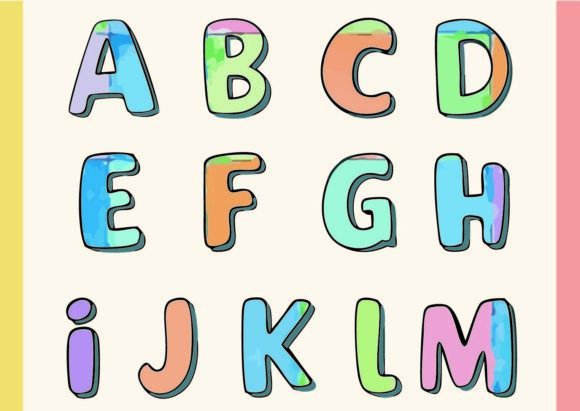
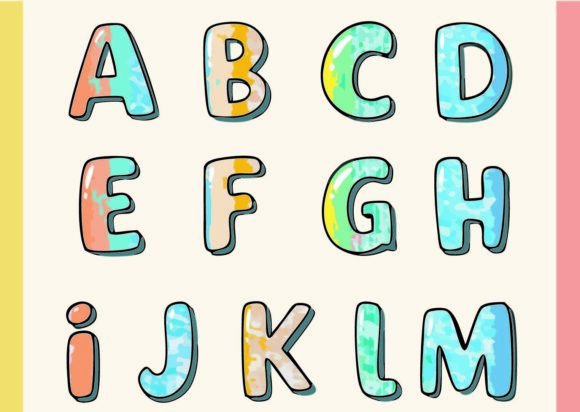
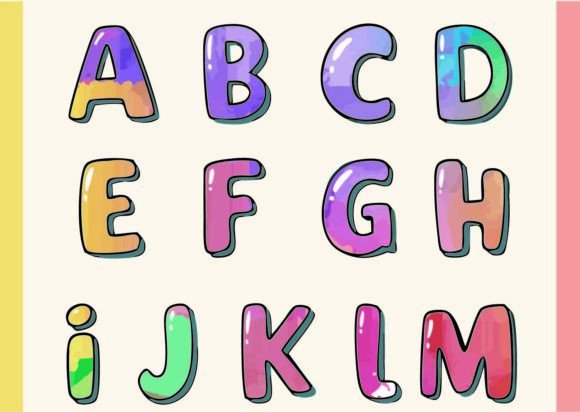
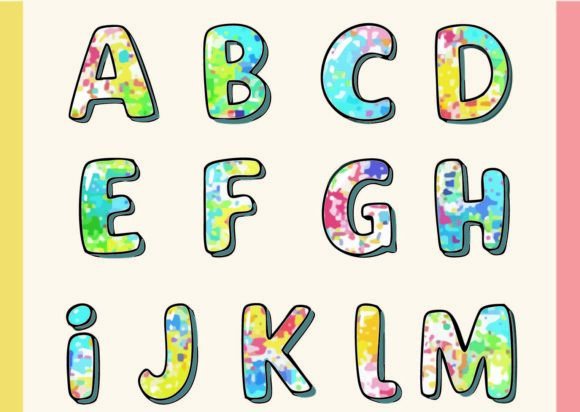
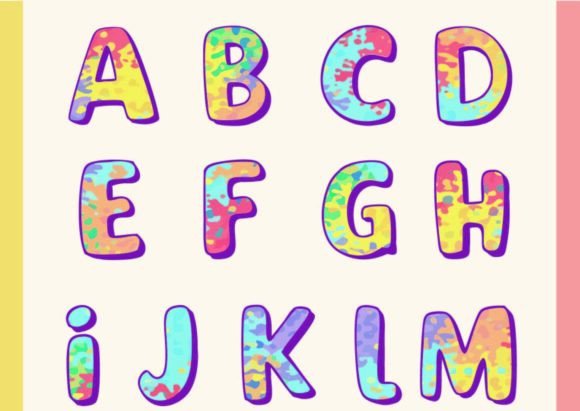
When you first encounter the Eliza font, the reaction is immediate. This isn't just a set of characters; it's a vibrant, intricate gallery packed into a single typeface. Eliza is a color font, technically known as an OpenType-SVG font. But that technical label doesn't do justice to what you actually see. Each letter, number, and symbol is its own unique composition. Imagine a capital 'A' where the strokes aren't a single flat color, but a complex web of intersecting paths, each filled with a different hue. Now, imagine that every single glyph in the alphabet has this treatment, with its own distinct palette and internal structure. The result is a premium font that feels less like a tool for setting text and more like a curated collection of typographic paintings.
The personality of Eliza is bold, artistic, and unapologetically detailed. Look closely, and you'll discover the depth. The paths within each glyph create a sense of movement and texture, almost like stained glass or a detailed mosaic. This is a display font in the truest sense—it’s designed to be seen, to command attention, and to be the focal point of a design. It doesn't whisper; it speaks with a confident, colorful voice. For designers and creators, this offers an incredible shortcut to visual complexity. Instead of manually adding textures, gradients, or layered effects to text, Eliza provides that rich, multi-dimensional look right out of the box.
Finding the Perfect Canvas for Eliza's Vibrant Style
So, where does a creative font like Eliza truly shine? Its strength lies in applications where visual impact is the primary goal. Think of projects that need a strong first impression. For logo design, Eliza can form the basis of a brand identity that is inherently artistic and memorable. A boutique, a creative agency, an artisan bakery, or a festival could use a single glyph as a monogram or the full name as a logotype that is instantly recognizable.
In the world of packaging design, especially for products on a crowded shelf, Eliza can be a game-changer. Imagine it on a label for a specialty coffee, a craft beer, or a luxury candle. The font itself communicates quality, creativity, and a handcrafted sensibility. It turns basic product information into a piece of art that customers want to pick up and examine. Similarly, for editorial design, a magazine cover or a chapter title set in Eliza can establish a powerful, thematic tone, drawing readers into a story before they've read a single word.
Digital spaces are equally welcoming. For social media graphics, where the scroll is relentless, Eliza stops the thumb. A striking headline for an Instagram post, a bold title for a YouTube thumbnail, or a unique graphic for a Pinterest pin can all leverage its built-in color and complexity. In web design, it’s best used for hero text, section headers, or call-to-action buttons where you want to inject personality without overwhelming the user. It’s a fantastic way to break the monotony of standard sans serif font or serif font pairings.
Practical Guidance for Using a Chromatic Powerhouse
Integrating a font like Eliza into your workflow requires a slightly different approach than using a standard typeface. First and foremost, compatibility is key. As an OpenType-SVG color font, it works seamlessly in modern versions of Adobe Photoshop, Illustrator, Silhouette, and Inkscape. You'll receive OTF and/or TTF files, which are the industry standard. Always test the font in your specific software to ensure the color information renders correctly before committing to a final design.
Because Eliza is so visually dense, it demands careful consideration of font pairing. You generally wouldn't pair it with another highly decorative font. Instead, let it be the star. Pair it with a clean, simple sans serif font for body text or supporting information. A typeface like Montserrat, Lato, or even a simple system font can provide a quiet, readable counterpoint that allows Eliza’s artistry to stand out. This creates a clear visual hierarchy, where Eliza draws the eye to the most important message, and the paired font delivers the supporting details.
Think about readability. Eliza is a display font, which means it's optimized for short bursts of text—headlines, logos, titles, and pull quotes. Using it for long paragraphs would be impractical and visually taxing for your audience. Its purpose is to enhance brand perception and audience engagement through its unique aesthetic, not to serve as a workhorse for body copy. When evaluating if it's the right fit for your project, ask yourself: "Does this project call for a strong, artistic statement?" If the answer is yes, you’re on the right track.
Finally, consider the commercial licensing. Like most professional design assets, the license will dictate how you can use it—whether for personal projects, client work, or merchandise. Review the terms to ensure they align with your intended use, whether you're a blogger creating graphics for your site, a small business owner designing product labels, or a marketer crafting a campaign. Eliza isn't just a modern typography choice; it's a strategic asset for anyone looking to infuse their work with unparalleled color and intricate artistry. It’s a tool that doesn’t just write words—it paints them.