Elizabeth: A Colorful Heaven of Typographic Art
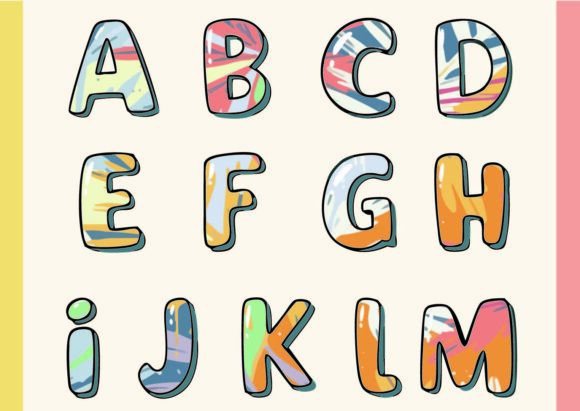
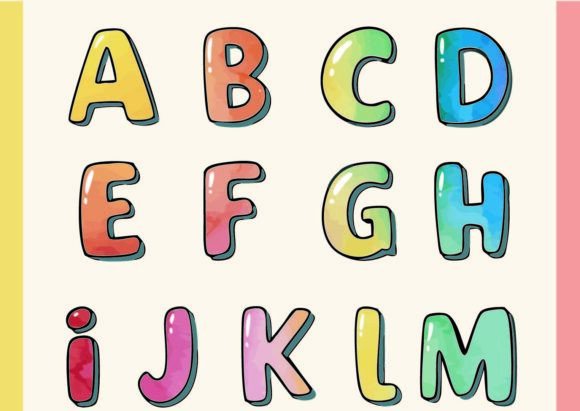
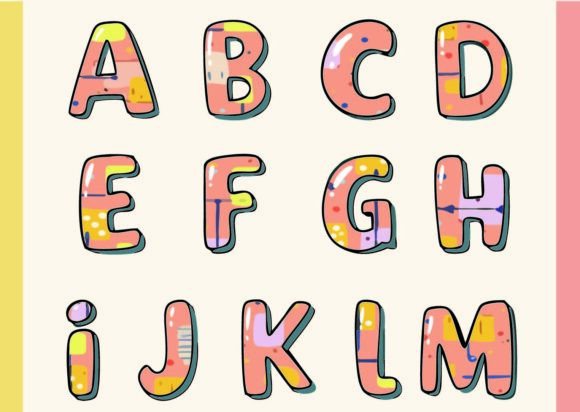
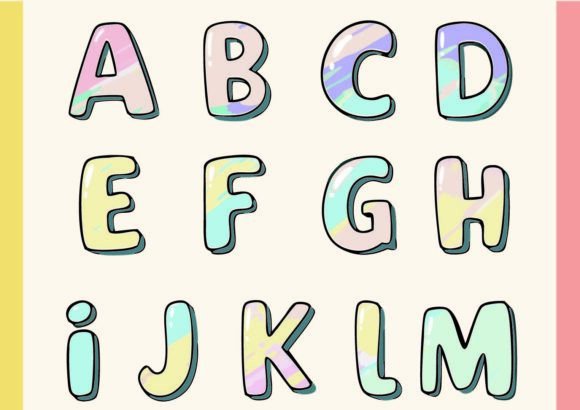
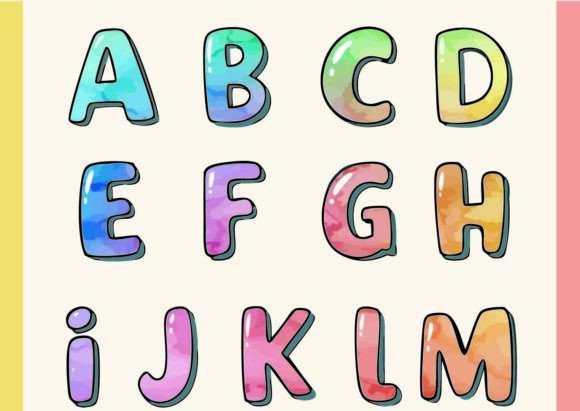
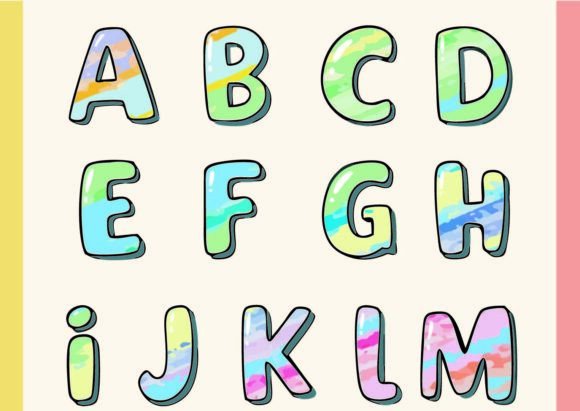
Let's talk about a font that doesn't just sit on the page—it performs. Elizabeth isn't your standard set of characters. It's a color font, specifically an OpenType-SVG typeface, and that distinction is everything. Each glyph is essentially a tiny, self-contained painting, filled with complex paths, connections, and a unique, vibrant color palette. Imagine a serif font where the terminals aren't just black but a gradient of sunset oranges, or a sans serif where each stroke is a mosaic of blues and greens. That's the world Elizabeth opens up. It’s a premium font that delivers instant visual impact, transforming ordinary text into a piece of art.
Where Elizabeth Truly Shines: Practical Applications
This isn't a font for body copy in a legal document. Elizabeth is a display font, built for headlines, logos, and short, impactful statements where personality is paramount. Its style leans towards a modern typography aesthetic, but with an artisan, almost handwritten or script font sensibility in its complexity. Think of it as a creative font for projects that need to stop a scroll or catch an eye immediately.
In logo design, Elizabeth can form the cornerstone of a brand's visual identity for a boutique, a creative agency, or an artisanal product line. The built-in color means your primary brand mark is vibrant from the start. For editorial design, it can elevate magazine covers, chapter headings, or pull quotes, adding a layer of sophistication and visual interest. In packaging design, it speaks directly to consumers looking for unique, high-quality products—think cosmetics, gourmet foods, or specialty stationery.
Digital spaces are a natural home for it. Social media graphics demand attention, and a headline set in Elizabeth is far more engaging than a standard font. It’s also a powerful tool for web design, used in hero sections or key call-to-action areas where you want to make an unforgettable first impression. For crafters and hobbyists using compatible software like Silhouette, it brings a new level of detail and color to projects without needing separate design steps.
Design Intelligence: Using Elizabeth with Purpose
Adopting a font like Elizabeth requires a shift in thinking. It’s a design asset, not just a utility. Its strength lies in its ability to influence perception instantly. A brand using Elizabeth signals creativity, attention to detail, and a willingness to be bold. It can make a small business look established and innovative, and a personal project feel professionally crafted.
However, with great power comes great responsibility. The very complexity that makes it stunning can affect readability at small sizes or in long strings of text. It’s best used sparingly—think a single word or a short phrase. This is where understanding visual hierarchy is key. Pair Elizabeth with a clean, neutral sans serif font for body text. This contrast allows the display font to command attention without overwhelming the reader, creating a balanced and professional layout.
Before committing, always test. Check the font pairing with your chosen body font. Review all the included styles and glyphs; some color fonts include alternate characters or stylistic sets that offer different color combinations or effects. Ensure the color palette aligns with your overall brand identity or project theme. And crucially, verify the commercial font licensing matches your intended use, whether for a client project, merchandise, or digital products.
Elizabeth is more than a typeface; it’s a statement piece. Used thoughtfully, it can elevate a design from good to unforgettable, injecting a burst of creative energy and professionalism that resonates with audiences. It’s a tool for marketers, designers, and content creators who understand that sometimes, the medium is the message.