Lazy Holiday: Infusing Festive Spirit into Your Designs
When the calendar fills up and the creative briefs pile on, finding a design asset that captures joy without requiring hours of tweaking is a rare find. Lazy Holiday is exactly that kind of tool. It is a vibrant color font that brings a playful, authentic flair to the table, designed for creatives who want to inject festivity into their work instantly. Whether you are a small business owner preparing for a seasonal sale or a graphic designer crafting a logo for a boutique brand, this typeface offers a distinct personality that feels both nostalgic and fresh.
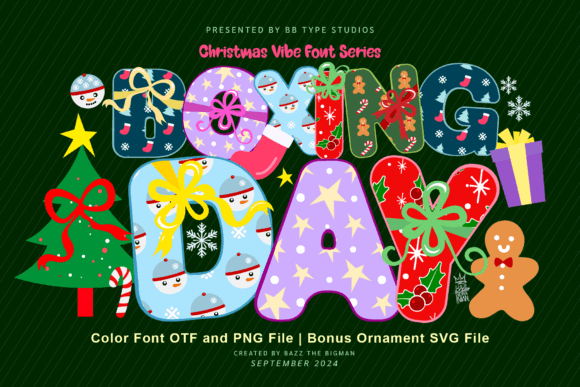
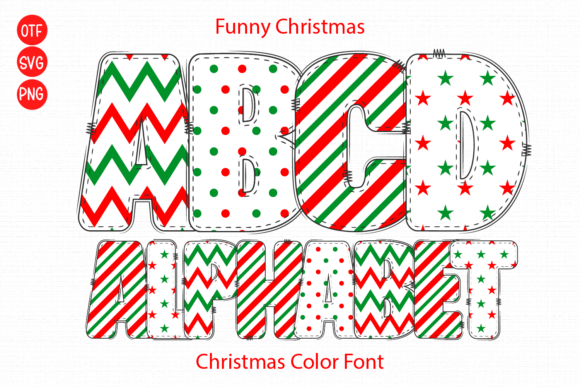
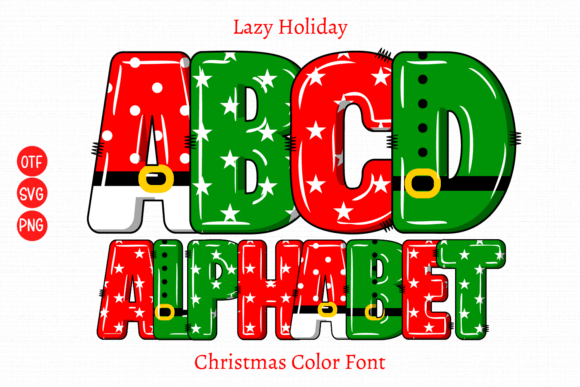
At its core, Lazy Holiday is a display font that leans heavily into the aesthetic of modern hand-lettering. It avoids the stiffness of corporate typefaces, opting instead for a fluid, organic rhythm that mimics the natural movement of a brush or pen. The visual characteristics are defined by slightly irregular baselines and varied stroke weights, giving it a "lived-in" feel that suggests authenticity. It isn't just another handwritten font; it possesses a specific warmth that makes it ideal for projects requiring a personal touch. The style balances playfulness with legibility, ensuring that while it looks fun, it remains professional enough for commercial use.
Visual Personality and Style
The appeal of Lazy Holiday lies in its versatility as a creative font. It bridges the gap between a casual script font and a bold sans serif font. In terms of modern typography, it fits into the trend of "imperfect" lettering that humanizes digital content. The letterforms often feature gentle curves and a bouncy baseline, which creates a sense of movement and energy. This makes it particularly effective for social media graphics where you need to stop a user from scrolling. The font has a high "approachability" factor; it signals to the viewer that the brand or message behind it is friendly, relaxed, and genuine.
For those working on brand identity, the visual weight of Lazy Holiday allows it to stand alone as a hero element. It doesn't always need heavy supporting graphics to make an impact. For instance, in logo design, using this typeface for a coffee shop, a lifestyle blog, or a craft brewery can immediately establish a welcoming atmosphere. It suggests that the brand values creativity and individuality over rigid corporate standards.
Practical Applications Across Creative Endeavors
Understanding where a font works best is half the battle in design. Lazy Holiday shines in specific contexts where emotional connection is key. Here are some practical applications where this font excels:
- Invitations and Greeting Cards: The organic nature of the font makes it perfect for wedding invitations, birthday cards, and holiday greetings. It mimics the feel of handwritten notes, adding a layer of intimacy to the correspondence.
- Packaging Design: If you are designing labels for artisanal goods, cosmetics, or food products, Lazy Holiday adds a touch of homemade charm. It works exceptionally well on textured backgrounds like kraft paper or matte finishes.
- Editorial Design: While not suited for long body text, it is excellent for pull quotes, subheadings, and magazine covers. It breaks up the monotony of standard serif fonts or sans serif fonts used in articles.
- Web Design: When used for hero sections or call-to-action buttons, this premium font can increase engagement. It draws the eye and encourages interaction without being aggressive.
- Digital Products: For creators selling digital planners or stickers, Lazy Holiday is an essential asset. It helps create a cohesive aesthetic that buyers look for in digital stationery.
Influence on Brand Perception and Readability
Choosing a typeface is a strategic decision that influences how an audience perceives a brand. Lazy Holiday projects a brand image that is approachable, creative, and customer-centric. It moves away from the cold, distant feel of geometric sans-serifs and invites the audience to engage. However, because it is a display font, readability must be considered carefully.
In web design and editorial design, it is crucial to maintain a clear visual hierarchy. Lazy Holiday should be reserved for headlines, subheadings, or short bursts of text. Pairing it with a clean, highly legible font for body copy is a best practice. A classic serif font can create a beautiful contrast, blending tradition with modern flair, while a simple sans serif font keeps the layout looking clean and contemporary. This font pairing strategy ensures that the design remains professional while still utilizing the playful energy of Lazy Holiday.
Guidance for Selection and Implementation
When integrating Lazy Holiday into your design repertoire, consider the following practical steps to ensure the best outcome:
- Evaluate Project Fit: Does the project require a formal, authoritative tone? If so, Lazy Holiday might be too casual. However, if the goal is to build community, warmth, or excitement, it is likely the perfect fit.
- Test Font Pairings: Before finalizing a design, test how Lazy Holiday interacts with your body text. Ensure the x-height and weight balance well together so the hierarchy is clear.
- Review Included Styles: Check if the font family includes alternates or ligatures. Many premium fonts offer stylistic sets that allow you to customize the look of specific letters, preventing repetitive patterns in long words.
- Check Licensing: Ensure you have the correct commercial font license for your intended use, especially if the design is for a client or a product you intend to sell.
Ultimately, Lazy Holiday is more than just a collection of glyphs; it is a tool for storytelling. By adding it to your toolkit, you gain the ability to rapidly prototype and execute designs that feel festive, authentic, and deeply human. It saves time by providing instant character, allowing you to focus on the broader strategy of your creative project. Whether you are sprucing up a website, designing merchandise, or crafting a social media campaign, this typeface unfailingly brings that extra sparkle to the table.