Wood: The Nature-Inspired Color Font for Creative Projects
A Typeface with Natural Texture and Character
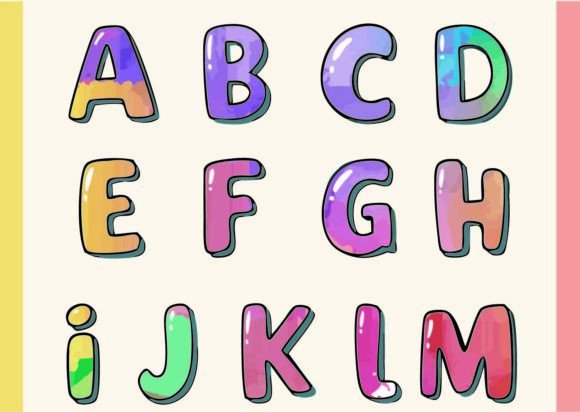
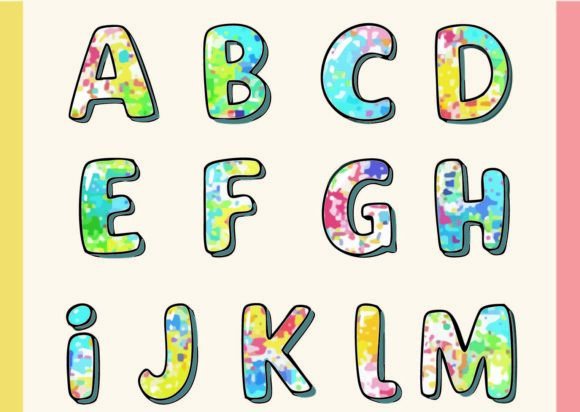
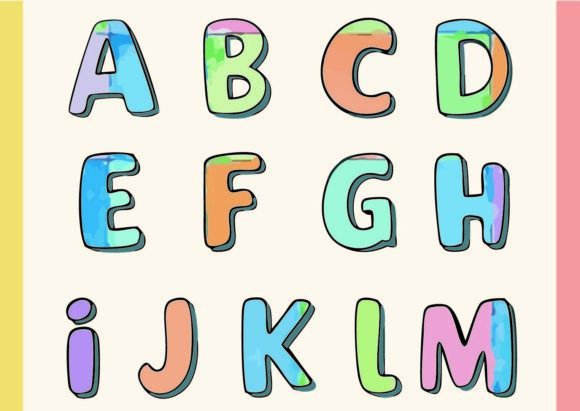
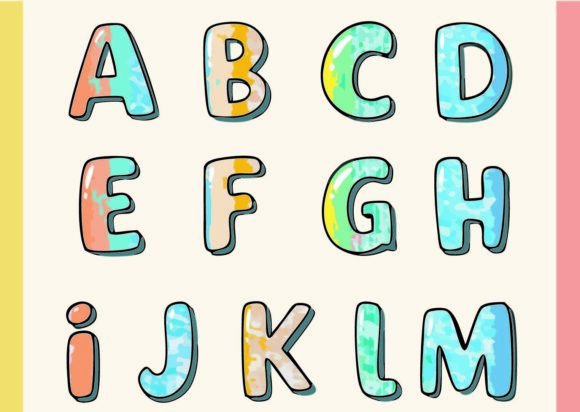
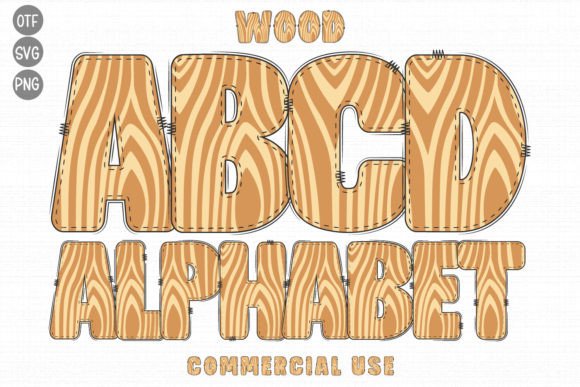
When you first see Wood, you immediately understand what makes it special. This isn't just another typeface—it's a color font that brings genuine wood grain texture directly into your letterforms. Each character carries the organic warmth and natural irregularity of real timber, creating an effect that feels authentic rather than digitally manufactured.
What strikes me most about Wood is how it balances personality with practicality. The wood skin texture gives every letter substantial visual weight, but the underlying letterforms remain clear and well-constructed. You're not sacrificing legibility for style—instead, you're gaining a creative font that delivers both aesthetic impact and functional communication.
The overall appeal leans toward warmth, craftsmanship, and approachability. Wood doesn't try to be sleek or corporate. Instead, it embraces a handmade quality that resonates with audiences seeking authenticity. Whether you're working on children's materials or nature-themed branding, this typeface communicates a sense of care and organic beauty that flat, standard fonts simply cannot achieve.
Where Wood Truly Shines in Real Projects
After working with various display fonts over the years, I've learned that the best ones excel in specific contexts rather than trying to work everywhere. Wood finds its sweet spot in projects where you want to evoke natural elements, outdoor themes, rustic charm, or playful creativity.
Branding and Logo Design
For businesses connected to outdoor activities, organic products, sustainable goods, or artisan craftsmanship, Wood offers something genuinely distinctive. Imagine this typeface on a logo for a hiking gear company, an organic coffee roaster, or a children's outdoor education program. The wood texture immediately communicates brand values without requiring lengthy explanation. Your brand identity gains instant personality and visual recognition.
Packaging and Editorial Applications
Packaging design benefits enormously from texture-rich typography. Wood works beautifully on product labels for specialty foods, craft beverages, natural cosmetics, or handmade goods. In editorial design, consider using it for magazine headlines covering outdoor lifestyles, sustainable living, or children's activities. The texture adds depth that makes pages feel more tactile and engaging.
Digital and Social Media
Don't overlook digital applications. Wood performs well in social media graphics where you need to stop scrolling. Instagram posts, Pinterest pins, and Facebook headers featuring this typeface stand apart from the sea of clean, minimalist typography dominating feeds. For web design, it works best as an accent—think hero section headlines or call-to-action elements on nature-themed websites.
Children's Materials and Personal Projects
The playful quality makes Wood exceptional for children's book covers, educational materials, birthday invitations, and classroom decorations. Parents and educators consistently respond positively to typography that feels fun and approachable. For personal projects like family reunion invitations, garden party announcements, or hobby-related crafts, this font adds character that generic options lack.
How Wood Influences Design Outcomes
Typography shapes perception in ways most people never consciously recognize. When you choose Wood for a project, you're making deliberate decisions about how your audience will feel and what they'll assume about your message.
Visual Hierarchy and Readability
Because Wood is inherently a display font, it naturally commands attention in headlines and larger text sizes. This makes it excellent for establishing visual hierarchy—your audience's eyes will gravitate toward Wood-set text first. However, pair it thoughtfully with a clean sans serif font or readable serif font for body copy. The texture that makes Wood stunning at large sizes can reduce legibility in smaller text blocks.
Brand Perception and Recognition
Fonts carry psychological associations. Wood communicates warmth, reliability, nature, and craftsmanship. Brands using this typeface signal that they value authenticity and organic quality. This perception extends to audience engagement—people tend to spend more time with materials that feel genuine and thoughtfully designed.
Consistency Across Touchpoints
Using Wood consistently across your design assets—from business cards to website headers to social media templates—builds recognition. Audiences begin associating the distinctive wood texture with your specific brand or project, strengthening recall and loyalty over time.
Practical Guidance for Working with Wood
Before incorporating any premium font into your workflow, evaluate it carefully against your specific needs. Here's how to approach Wood strategically.
Evaluating Project Fit
Ask yourself honestly: does this project call for textured typography? Wood suits nature themes, outdoor brands, children's content, rustic aesthetics, and artisan products exceptionally well. It may feel out of place in corporate financial reports, medical documentation, or minimalist luxury branding. Matching font personality to project personality prevents visual dissonance.
Testing Font Pairings
Effective font pairing creates contrast while maintaining harmony. Try combining Wood with a simple geometric sans serif font like Montserrat or a classic serif font like Georgia. Avoid pairing it with other textured or handwritten fonts—too much personality creates visual noise. Let Wood be the star while supporting typefaces handle supporting roles.
Reviewing Included Styles
Examine what styles and weights come included with your purchase. Many color fonts offer variations that expand your creative options. Understanding the full character set, language support, and special features ensures you maximize your investment.
Readability Considerations
Test Wood at multiple sizes before finalizing any design. What reads beautifully at 72 points might become muddy at 14 points. For print projects, request proof prints to verify how the wood texture reproduces. For digital applications, preview across different screen sizes and resolutions.
Commercial Licensing
If you're using Wood for client work, merchandise, or any commercial application, verify the license terms carefully. Most commercial font licenses cover specific use cases—desktop, web, app, or server—and may require different purchases for different applications. Understanding licensing protects both you and your clients legally.
Making Wood Work for Your Creative Vision
The best modern typography choices feel inevitable in retrospect. When Wood fits your project's personality, audience expectations, and communication goals, it elevates ordinary designs into memorable ones. The key lies in thoughtful application rather than default usage.
Start small if you're uncertain. Use Wood for a single project headline, one social media series, or a limited product line. Observe how your audience responds. Notice whether the texture enhances or distracts from your message. These real-world observations teach you more about effective typography than any theoretical framework.
Every designer, marketer, and creative professional benefits from maintaining a diverse font library. Wood occupies a distinctive niche that few other typefaces address as effectively. When nature-themed projects, children's materials, or rustic brand identities cross your desk, you'll appreciate having this option readily available.
The most successful creative work happens when every element serves both aesthetic and communicative purposes. Wood does exactly that—delivering visual interest and textural warmth while supporting clear, engaging communication across dozens of project types.